
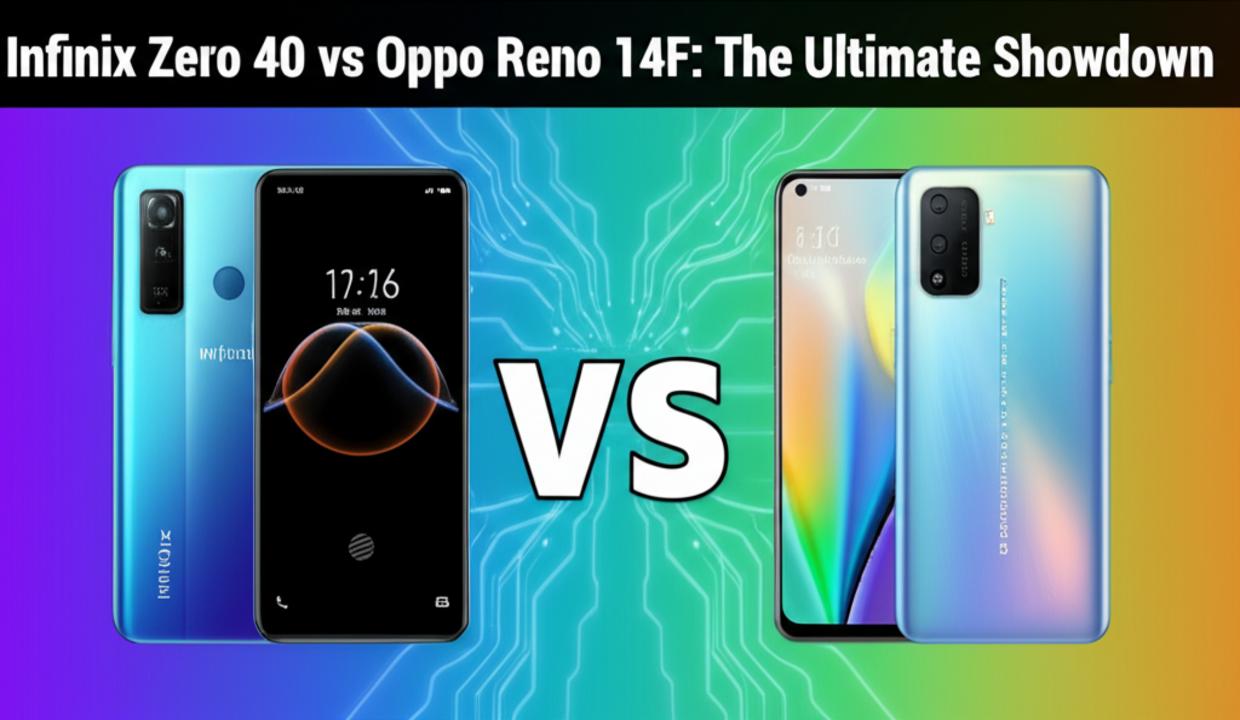
Choosing a new smartphone can often feel like navigating a maze, especially with so many impressive devices hitting the market. Today, we’re diving deep into a compelling head-to-head battle: the Infinix Zero 40 versus the Oppo Reno 14F. Both phones aim to offer a premium experience without breaking the bank, but they cater to slightly different user priorities. If you’re wondering which device offers the best smartphone experience for your daily needs, this comprehensive phone comparison is designed to provide all the insights you need.
Our goal is to help you understand the nuances of each model, from performance to camera capabilities and durability. Deciding between Infinix vs Oppo involves weighing specific features against your personal preferences, whether you’re a gamer, a photography enthusiast, or someone who simply needs a reliable device for everyday tasks. Let’s break down everything you need to know about the Infinix Zero 40 and the Oppo Reno 14F.
Main Highlights: Infinix Zero 40 vs Oppo Reno 14F
When comparing the Infinix Zero 40 and the Oppo Reno 14F, several key distinctions immediately stand out. These differences often guide a user’s decision based on their primary usage needs.
- Display: The Infinix Zero 40 boasts a larger 6.78-inch AMOLED display with an impressive 144 Hz refresh rate, offering super smooth visuals. The Oppo Reno 14F counters with a slightly smaller 6.57-inch AMOLED screen, a 120 Hz refresh rate, but a higher peak brightness of 1400 nits and robust AGC Dragontrail DT-Star D+ glass protection.
- Camera: For photography enthusiasts, the Infinix Zero 40 features a high-megapixel 108 MP main sensor, alongside a 50 MP ultrawide. The Oppo Reno 14F opts for a balanced approach with a 50 MP Sony IMX882 main sensor, renowned for its overall image quality, complemented by an 8 MP ultrawide and a 2 MP macro lens. Both have a 50 MP front camera.
- Battery & Charging: Endurance is a major factor, and the Oppo Reno 14F leads with a larger 6000 mAh Li-Po battery and 45W fast charging. The Infinix Zero 40 comes with a respectable 5000 mAh Li-ion battery, though its exact fast charging wattage isn’t specified.
- Durability: If robustness is key, the Oppo Reno 14F offers superior protection with an IP68/IP69 rating for water and dust resistance. The Infinix Zero 40, while well-built, typically lacks official IP ratings.
- Software: The Oppo Reno 14F runs on Android 15, providing a more up-to-date software experience and potentially longer software support compared to the Infinix Zero 40‘s Android 14.
- Price: The Infinix Zero 40 is positioned as a more budget-friendly option, with an approximate price around ₹25,999. The Oppo Reno 14F is generally priced higher, ranging from ₹34,990 to ₹39,999, reflecting its premium features and brand positioning.
Performance and Power Under the Hood
The core of any smartphone experience lies in its internal components. Both the Infinix Zero 40 and the Oppo Reno 14F pack powerful processors designed for smooth performance in everyday tasks and demanding applications.
The Infinix Zero 40 is expected to feature a MediaTek Dimensity 8020+ processor. This chip is known for delivering strong performance, especially in gaming and multitasking, making the Infinix Zero 40 a capable device for users who push their phones hard. It ensures quick app launches and fluid navigation through the user interface.
On the other side, the Oppo Reno 14F comes equipped with the Qualcomm Snapdragon 6 Gen 1. This processor is a robust contender, offering efficient performance and reliable connectivity. It’s well-suited for a balanced user experience, handling productivity apps, social media, and moderate gaming with ease.
When it comes to memory and storage, both phones are generously equipped. The Infinix Zero 40 typically offers 12 GB RAM and 256 GB storage, providing ample space for apps, photos, and videos. The Oppo Reno 14F also offers configurations with 8-12 GB RAM and 256 GB storage. These capacities ensure smooth multitasking and plenty of room for all your digital content, reducing the need for constant storage management.
Visuals and Build Quality: Display and Design
The display is your window to the digital world, and both the Infinix Zero 40 and Oppo Reno 14F offer captivating viewing experiences, albeit with distinct advantages.
The Infinix Zero 40 features a large 6.78-inch AMOLED display with a resolution of 1080 x 2400 pixels. Its standout feature is the incredibly smooth 144 Hz refresh rate. This higher refresh rate translates to a noticeably fluid scrolling experience and enhanced responsiveness in fast-paced games, making it ideal for mobile gamers and multimedia consumers.
In contrast, the Oppo Reno 14F sports a 6.57-inch AMOLED screen with a resolution of 1080 x 2372 pixels and a 120 Hz refresh rate. While slightly lower than the Infinix, 120 Hz is still excellent for most users. The Oppo Reno 14F compensates with a higher peak brightness of up to 1400 nits, ensuring better visibility outdoors, and crucial AGC Dragontrail DT-Star D+ glass protection for added durability against scratches and minor drops. This makes the Oppo Reno 14F a compelling choice for those prioritizing display robustness and outdoor visibility.
Regarding build and durability, the Infinix Zero 40 typically features a plastic frame and body. While common in its price segment, it means users might want to invest in a protective case. The Oppo Reno 14F also features a plastic build but elevates its durability with an IP68/IP69 certification for water and dust resistance. This rating provides peace of mind, protecting your device from accidental spills or dusty environments, a significant advantage in this phone comparison. The Oppo Reno 14F measures 158.12 x 74.97 x 7.69 mm and weighs around 180 grams, making it relatively slender and light.
Capturing Moments and Sustaining Power: Cameras and Battery Life
For many, the camera system and battery life are critical factors in choosing the best smartphone. Both the Infinix Zero 40 and Oppo Reno 14F aim to impress in these departments.
The Infinix Zero 40 comes with a versatile triple rear camera setup. It features a high-resolution 108 MP wide sensor, a capable 50 MP ultrawide sensor, and a 2 MP depth sensor. This configuration suggests that the Infinix Zero 40 is capable of capturing highly detailed main shots and expansive landscape or group photos with its ultrawide lens. The high megapixel count often appeals to those who like to crop and zoom into their photos.
The Oppo Reno 14F also sports a triple rear camera system. Its main sensor is a 50 MP Sony IMX882, which is highly regarded for its excellent image processing and reliable performance in various lighting conditions. It’s complemented by an 8 MP ultrawide lens and a 2 MP macro sensor for close-up shots. While the megapixel count on the main sensor is lower than the Infinix, the Sony IMX882 often delivers superior image quality through better software optimization and sensor performance, especially with features like OIS often found in Oppo Reno series cameras.
For selfies and video calls, both phones are equally matched with a powerful 50 MP front camera. This ensures high-quality self-portraits and clear video communication, a great feature for content creators and social media enthusiasts alike. For another perspective on camera capabilities, you can also see how the Infinix Zero 40 stacks up against other models like the Oppo Reno 12F.
Battery life is another crucial aspect. The Infinix Zero 40 is equipped with a substantial 5000 mAh Li-ion battery, which should easily provide a full day of usage for most users. The Oppo Reno 14F, however, takes the lead with an even larger 6000 mAh Li-Po battery. This massive capacity promises extended screen-on time and fewer recharges throughout the day. Furthermore, the Oppo Reno 14F supports 45W fast charging, allowing you to quickly top up your device and get back to your activities with minimal downtime. The exact charging speed for the Infinix Zero 40 is not specified, but it does support fast charging.
User Experience and Software Ecosystem
The software running on your phone significantly impacts the user experience, from interface fluidity to security updates and new features. The Infinix Zero 40 runs on Android 14, offering a modern Android experience with a host of customization options and privacy features.
The Oppo Reno 14F, on the other hand, comes with the newer Android 15. Running on a more recent Android version often means better optimization, access to the latest features, and a longer period of software updates, ensuring your phone remains current and secure for years to come. This makes the Oppo Reno 14F slightly more future-proof in terms of software.
Both devices offer a convenient and secure unlocking experience with their in-display fingerprint sensors. This modern biometric authentication method is fast, reliable, and integrates seamlessly into the phone’s design, adding a layer of sophisticated security to your personal data. The overall user interface experience on both Infinix vs Oppo phones will vary slightly based on their respective custom skins, XOS for Infinix and ColorOS for Oppo, each offering unique features and aesthetics. For a deeper technical comparison of the Oppo Reno 14F‘s specifications, you might want to consult detailed tech sites like NanoReview.
Understanding the Investment: Pricing and Value
Price is often the deciding factor in any phone comparison. The Infinix Zero 40 and the Oppo Reno 14F are positioned in different segments of the mid-range market, reflecting their feature sets and brand strategies.
The Infinix Zero 40 offers a compelling value proposition with an approximate price of ₹25,999 in India. At this price point, it delivers a large 144 Hz AMOLED display, a high-megapixel primary camera, and substantial RAM and storage. This makes the Infinix Zero 40 an attractive option for budget-conscious buyers who want strong specifications without a premium price tag. It represents excellent value for money, especially for those prioritizing a smooth display and detailed photos.
The Oppo Reno 14F is positioned at a higher price point, ranging from approximately ₹34,990 to ₹39,999 in India. This higher cost is justified by several premium features: a significantly larger 6000 mAh battery with 45W fast charging, IP68/IP69 water and dust resistance, a more advanced Sony IMX882 camera sensor, and the newer Android 15 operating system. The Oppo Reno 14F caters to users willing to invest more for enhanced durability, superior battery endurance, and a slightly more refined overall experience. You can find the latest pricing information for the Oppo Reno 14F and its variants at major retailers. It’s important to weigh these advanced features against the price to determine which phone offers the best smartphone experience for your specific budget.
Pros and Cons
| Pros | Cons |
|---|---|
| Bigger 6.78″ AMOLED screen with higher 144 Hz refresh rate. | Plastic frame and body, no official IP rating. |
| More powerful 108 MP main camera sensor and 50 MP ultrawide. | Smaller 5000 mAh battery, unspecified fast charging wattage. |
| More budget-friendly price (around ₹25,999). | Runs on Android 14 (older than Android 15 on Oppo). |
| Good for detailed photos and smoother scrolling/gaming. | Potentially less durable in harsh environments. |
| Superior battery life with larger 6000 mAh battery. | Slightly smaller 6.57″ AMOLED display. |
| Faster 45W fast charging. | Higher price point (₹34,990 – ₹39,999). |
| Better software version (Android 15). | Main camera is 50 MP (though high quality Sony IMX882). |
| Superior durability with IP68/IP69 rating. | Lower 120 Hz refresh rate (still good, but not 144 Hz). |
| Higher peak display brightness (1400 nits) and better glass protection. | Potentially heavier or thicker depending on battery. |
Deep Dive: Real-World Performance Insights
Beyond specifications, understanding how these phones perform in real-world scenarios is crucial for a complete phone comparison. While the Infinix Zero 40 shines with its high refresh rate display, offering a buttery-smooth experience for casual browsing and gaming, the Oppo Reno 14F‘s 1400 nits brightness truly stands out under direct sunlight, making it excellent for outdoor use. For more comprehensive technical specifications, you can compare detailed specs of the Oppo Reno 14 5G and Infinix Zero 40 5G variants, which often share similar core technologies.
In terms of camera performance, the Infinix Zero 40’s 108 MP sensor is great for capturing immense detail in well-lit conditions. However, the Oppo Reno 14F, with its 50 MP Sony IMX882 sensor, often provides more consistent and balanced image quality across various lighting situations, especially for dynamic range and color accuracy. Many expert reviews suggest that a well-optimized 50 MP sensor can often outperform a higher megapixel count if the software processing is superior. #TechBattle
Battery life is where the Oppo Reno 14F truly pulls ahead. Its massive 6000 mAh battery, combined with efficient power management from the Qualcomm Snapdragon 6 Gen 1 and Android 15, means it can comfortably last for up to two days on a single charge for moderate users. The 45W fast charging is also a game-changer, quickly replenishing power. While the Infinix Zero 40’s 5000 mAh battery is respectable, it might require a midday top-up for heavy users.
Frequently Asked Questions (FAQ)
- Is the Infinix Zero 40 good for gaming?
Yes, the Infinix Zero 40, with its expected MediaTek Dimensity 8020+ processor and a stunning 144 Hz AMOLED display, is well-suited for gaming. It provides smooth graphics and responsive gameplay, making it an excellent choice for mobile gamers. - How long does the Oppo Reno 14F battery last?
The Oppo Reno 14F features a large 6000 mAh Li-Po battery, which can typically last for up to two full days of moderate use on a single charge. Its 45W fast charging capability also ensures quick top-ups. - Which phone has a better camera, Infinix Zero 40 or Oppo Reno 14F?
The Infinix Zero 40 has a higher megapixel count with a 108 MP main sensor, potentially offering more detail. However, the Oppo Reno 14F‘s 50 MP Sony IMX882 sensor is often praised for its balanced and superior image quality, especially in challenging lighting. Your preference depends on whether you prioritize raw megapixels or overall image processing. - Is the Oppo Reno 14F water resistant?
Yes, a significant advantage of the Oppo Reno 14F is its IP68/IP69 certification, which means it offers superior water and dust resistance. This provides a great deal of durability and peace of mind against accidental spills or exposure to elements. - What is the difference between Infinix Zero 40 and Oppo Reno 14F’s displays?
The Infinix Zero 40 has a slightly larger 6.78-inch display with a higher 144 Hz refresh rate for smoother visuals. The Oppo Reno 14F has a 6.57-inch display with a 120 Hz refresh rate, but it boasts a higher peak brightness of 1400 nits and stronger AGC Dragontrail DT-Star D+ glass protection. - Which one offers better value for money?
The Infinix Zero 40 generally offers better value for money if you’re on a tighter budget (around ₹25,999) and prioritize a high refresh rate display and high-megapixel camera. The Oppo Reno 14F, while more expensive (₹34,990 – ₹39,999), justifies its cost with superior battery life, durability, and newer software.
Conclusion
In this detailed phone comparison, both the Infinix Zero 40 and the Oppo Reno 14F emerge as strong contenders in the mid-range smartphone market, each with its unique strengths. Your choice for the best smartphone ultimately depends on your individual priorities and budget.
Choose the Infinix Zero 40 if you are a budget-conscious buyer who prioritizes a large, super-smooth 144 Hz display for gaming and browsing. Its 108 MP main camera also makes it attractive for those who value high-resolution photography and detailed shots. It’s an excellent option for users looking for maximum performance and a vibrant visual experience without spending a fortune.
Opt for the Oppo Reno 14F if you are willing to invest a bit more for superior battery life, robust durability, and a more future-proof software experience. Its massive 6000 mAh battery with 45W fast charging, combined with IP68/IP69 water and dust resistance and the latest Android 15, makes it a highly reliable and enduring device. The balanced camera system with the Sony IMX882 sensor also ensures consistent and high-quality photos. This phone is ideal for users who need a dependable daily driver that can withstand the elements and last all day.
We hope this comprehensive comparison has helped clarify the strengths of each model. Consider your daily habits, your budget, and what features truly matter most to you before making your final decision. Feel free to share your thoughts in the comments below or learn more about us to read other helpful tech reviews.
Watch More in This Video
Disclaimer: All images and videos are sourced from public platforms like Google and YouTube. If any content belongs to you and you want credit or removal, please inform us via our contact page.